Corporate video in Auckland
Company profiles, staff and customer interviews, testimonials, recruitment video and internal comms. Filmed and edited by one person, so the cut is decided by someone who was in the room.
Examples
A corporate job, so you can see the shape before you brief one.
What this usually is
Two to three minutes on who you are and what you do, for the website homepage or a pitch. The most common one, and the one most likely to end up being watched by someone deciding whether to work with you.
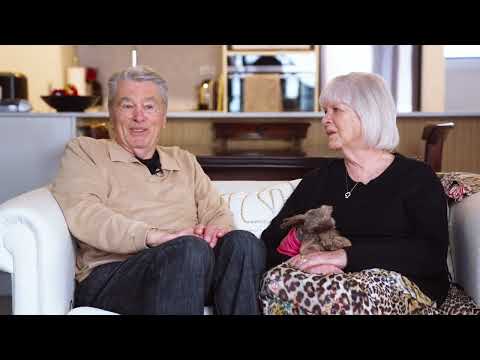
One person on camera, properly lit, properly miked. Used for testimonials and culture pieces, and as the backbone of most longer films.
A customer saying the thing you can't say about yourself. Short, usually 60 to 90 seconds, and normally the piece that does the most work.
What it is like to work there. Runs on your careers page and on LinkedIn.
Straight and clear. Usually the fastest to shoot and the easiest to get signed off.
Most corporate video lives or dies on the person in front of the camera.
And most people are not used to it.
Interviews are the hard part
Most people have never been interviewed on camera before, and they are nervous.
Four things help, and none of them cost anything.
People who have rehearsed a script sound like they are reading. People who have had a day to think about three questions sound like themselves.
The more colleagues in the room, the worse the interview. Ideally it is just them and me.
The first answer is always the stiff one. I ask it again at the end when they have forgotten to be nervous, and that is usually the take that gets used.
It is edited. They can stop, start again and say it a different way. Telling them that at the start changes the whole session.
Offices are difficult rooms
Worth checking before the day, because each of these is easy to fix in advance and hard to fix in the edit.
The single most common problem. It is inaudible to people in the room and very audible on a recording. If it can be switched off for an hour, switch it off.
Reflections, people walking past and no sound isolation. A smaller closed room almost always looks better than the big glass one.
They flicker and they are an unflattering colour. If they can go off and we work with window light plus a panel, the interview looks twice as good.
Phones, keyboards, conversations. It needs a corner and some warning to the people nearby.
In the three weeks after the shoot, when the file goes round six people and comes back with contradictory notes.
Two things prevent it, both agreed before the shoot. One named person collects the feedback: everyone else sends notes to them, they consolidate and one list comes back to me. Notes arriving separately over ten days is how a two-week edit becomes a two-month one.
And two rounds of changes are included. A round is one consolidated list, which is what stops a project drifting. In practice almost nothing needs the second one.
What you get
A main film, usually two to three minutes, 16:9, graded and delivered as MP4 ready to upload. A vertical cut for social from the same footage. Captions burned in or as SRT.
Speaker pull-quotes, extra versions and a stills selection are all available on the same shoot, and they are cheaper asked for at the quote stage than three weeks later.
Approval kills more corporate video than any shoot day.
One named person collects the notes and one consolidated list comes back, which is what keeps edits on time.
What it costs
From $2,500. That covers a shoot day, a finished main film and a vertical cut.
For context, from the quotes I've seen around Auckland, a finished corporate video tends to land somewhere between $3,000 and $30,000. This sits near the bottom of that because there is one person doing it, with no producer or account manager to pay for.
What moves the number: how many people are being interviewed, how many locations, how many deliverables come off the day and how fast you need it.
Kit
A Sony FX3 as the main camera. Full frame and clean at high ISO, so a dim meeting room does not need a lighting truck. 4K up to 120fps.
An Aputure 300d with an umbrella for interviews, RØDE wireless lavaliers and a Sennheiser shotgun for sound, and fluid-head tripods for anything locked off. Editing in Adobe Premiere Pro and DaVinci Resolve.
Public liability insurance to $2,000,000, and separate equipment cover. Most corporate sites want a certificate on file before you are allowed on the floor, and it goes out the same day you ask.
Questions
Two to three minutes for a company profile or a website piece. Sixty to ninety seconds for a testimonial. Past about three minutes attention tends to drop off, whatever the business is.
Yes. Send fonts, logos and any reference cuts and the edit gets built to sit inside them. If there are not guidelines yet, it stays clean and the footage carries it.
Comfortably four to six in one location, fewer if we are moving between sites. Each one needs setup, so the number of locations matters more than the number of people.
I hold the copyright. You have a licence to use the delivered videos from delivery, which becomes permanent once the invoice is paid. Full detail here.
One to two weeks for a full edit, with a delivery date confirmed in writing before the shoot. Faster is possible and quoted as its own line.
Send me the brief
What you are making, who it is for and roughly when. That is enough to quote from, and it comes back to you the same day wherever I can.
Also available for event videography, social content and edit-only work. If the brief is more specific there are pages on conference video, charity and not-for-profit work and real estate.